Three generations. One red-earth orchard.
Ninety years ago, a young farmer in Marripadu planted a dozen jamun saplings while his neighbours were planting mango. He was, very politely, considered an eccentric. Today his grandson manages 40 acres of his vision.
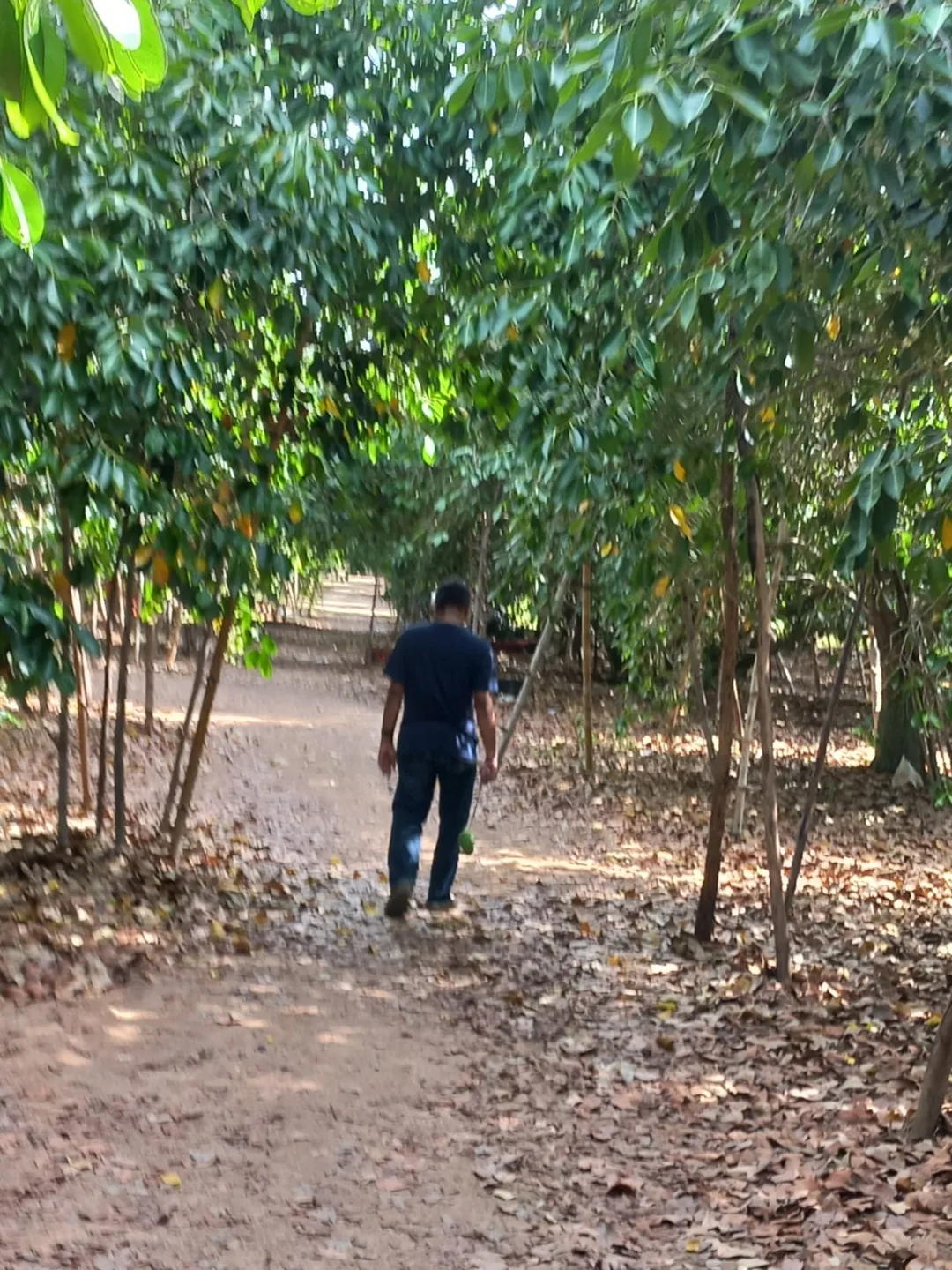
Tummala Mahender Reddy.
B.Tech in Electronics & Communications, 1990. Eighteen years in a US software multinational. In 2010, when his father's farm needed a steady hand, he came home.
It wasn't a retirement decision. It was a deliberate return — to the soil he grew up on, to a fruit his grandfather had championed before anyone else in the region, and to a quieter, harder, more honest kind of work.
He brought the discipline of two decades in engineering — process, measurement, accountability — and applied it to an orchard that had grown the old way for ninety years. The result: a farm that still feels traditional but runs with a software engineer's eye for systems.
"My grandfather planted jamun when everyone else planted mango. I came back from California to keep his bet honest."
Nine decades of slow conviction.
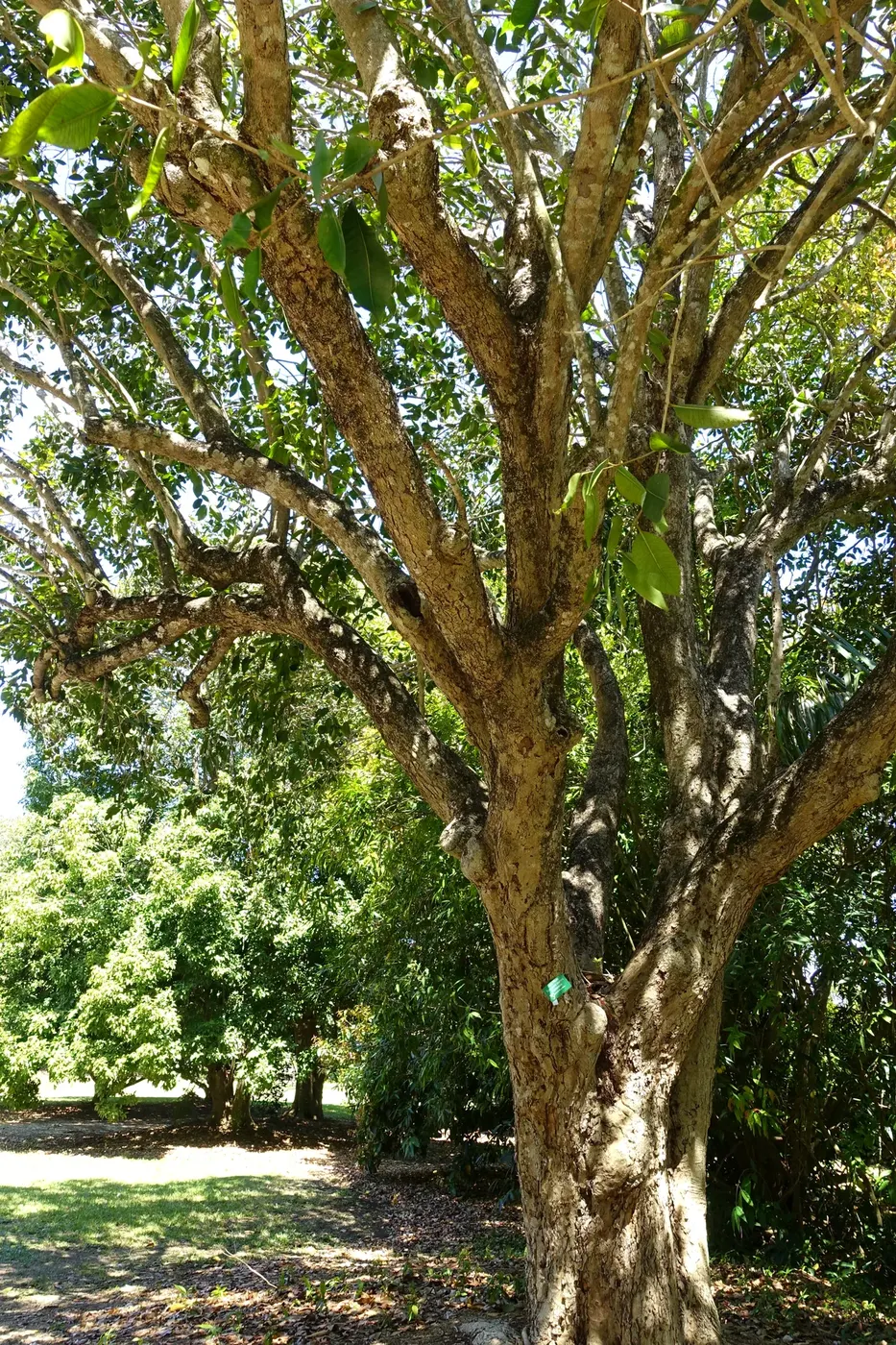
The grandfather plants the first jamun.
A dozen saplings on a small parcel in Marripadu. The rest of the region is going all-in on mango. He is — kindly — considered eccentric.
The trees prove the bet right.
Original plantings mature. The family farm becomes the regional reference for jamun. Local market relationships are formed that persist to this day.
Mahender graduates with a B.Tech in ECE.
Leaves Andhra Pradesh for a career in software. The farm continues under his father's management.
Eighteen years in a US software multinational.
A career built on systems, process, and measurable outcomes. Lessons that would later quietly reshape an orchard.
The return to Marripadu.
Mahender comes home to take the farm forward. Begins systematic replanting and a transition to the Konkan Bahadoli variety.
The Konkan Bahadoli bet.
Forty acres committed exclusively to the large-fruited, small-seeded variety developed by Dr Balasaheb Sawant Konkan Krishi Vidyapeeth in Bahadoli village, Palghar.
Mandi network formalised.
Trusted partner farmers around Marripadu begin supplying through SVBS — adding 200T of network supply on top of the 200T grown on the home farm.
40 acres in their prime.
400+ tons of premium Konkan Bahadoli jamun per season. Bees on the farm. Buyers across India and the Gulf. A third generation watching.
Mission & principles.
One variety, done properly.
We chose Konkan Bahadoli and stayed. No varietal hedging. No splitting attention. The orchard, the harvest window, the sorting standard — all built around one fruit.
Bee-friendly by default.
Active honeybee colonies on the farm set the limit on every spray decision. If the bees can't tolerate it, we don't use it.
Consistent, not cheapest.
We optimise for the buyer who needs the same grade, the same size profile, the same packaging — every consignment. Predictability is the product.
Honest mandi partnerships.
Our partner farmers get a fair, stable price for fruit that meets spec. No squeezing. No surprise downgrades. The network only works if everyone wants next season too.
Pack to the buyer's spec.
1 kg punnet, 2 kg carton, 5 kg crate, 10 kg field box — whatever the receiving end actually uses. We adapt to your line, not the other way around.
The long horizon.
A jamun tree takes years to come into prime. We plant, prune, and decide as people who plan to be doing this in 2050. So do our buyers.
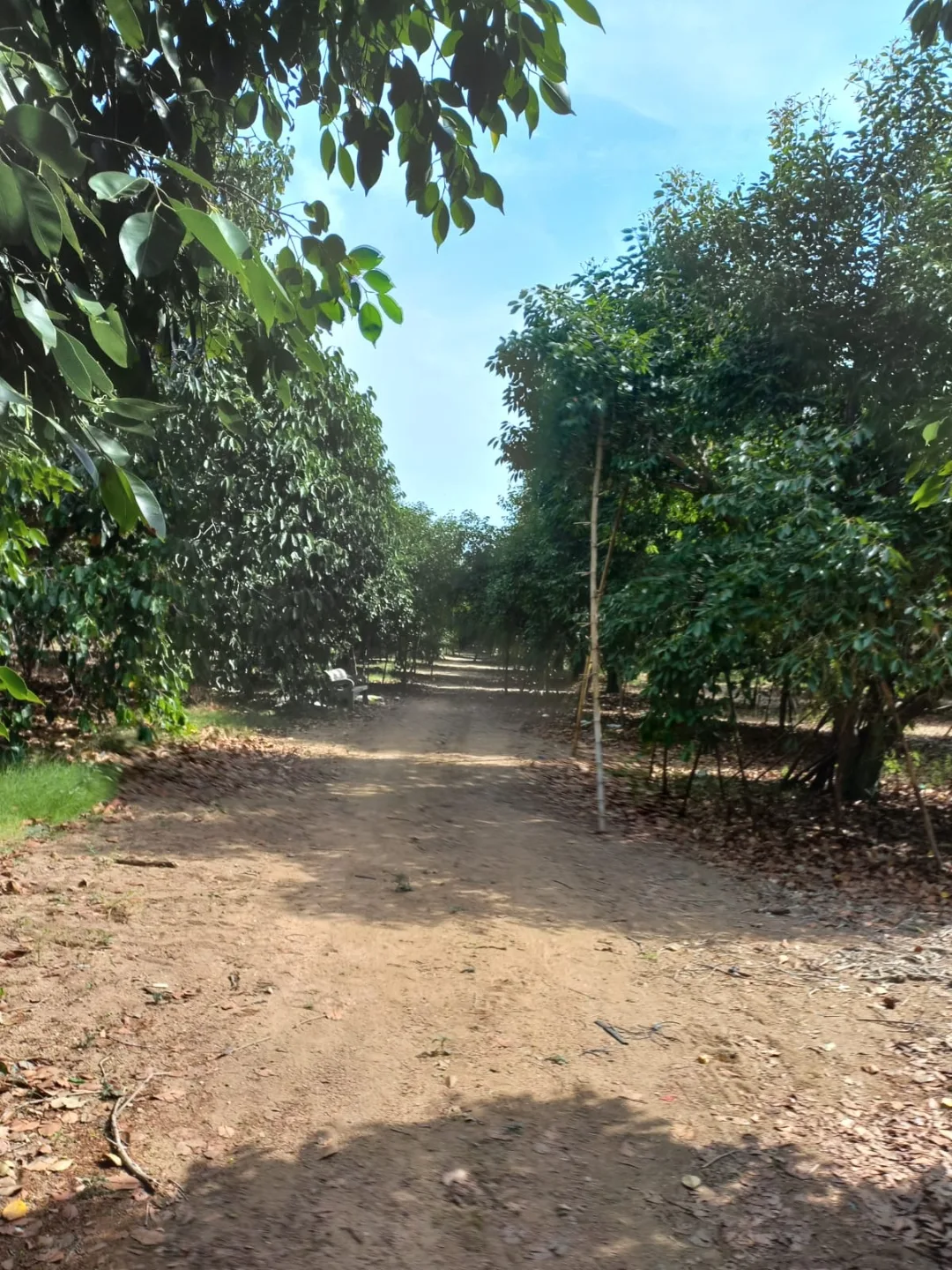
The rain-shadow country of southern Andhra.
Marripadu village, near Vayalpad. 30 km from Madanapalle. 140 km from Bangalore airport. Annamayya district, Andhra Pradesh.
The soil here is red and well-drained. The summer is hot but dry. The monsoon brings reliable, never-excessive rain. Frost is unheard of. It is, in short, jamun country — which our grandfather understood three generations ago.