Jamun health benefits, diabetes evidence and Ayurveda.
Jamun — Java plum, jambolan, neredu, naval pazham — is a seasonal Indian fruit with a long Ayurvedic history and modern research interest in polyphenols, antioxidants and metabolic wellness. This page explains the benefits carefully without treating fruit as medicine.
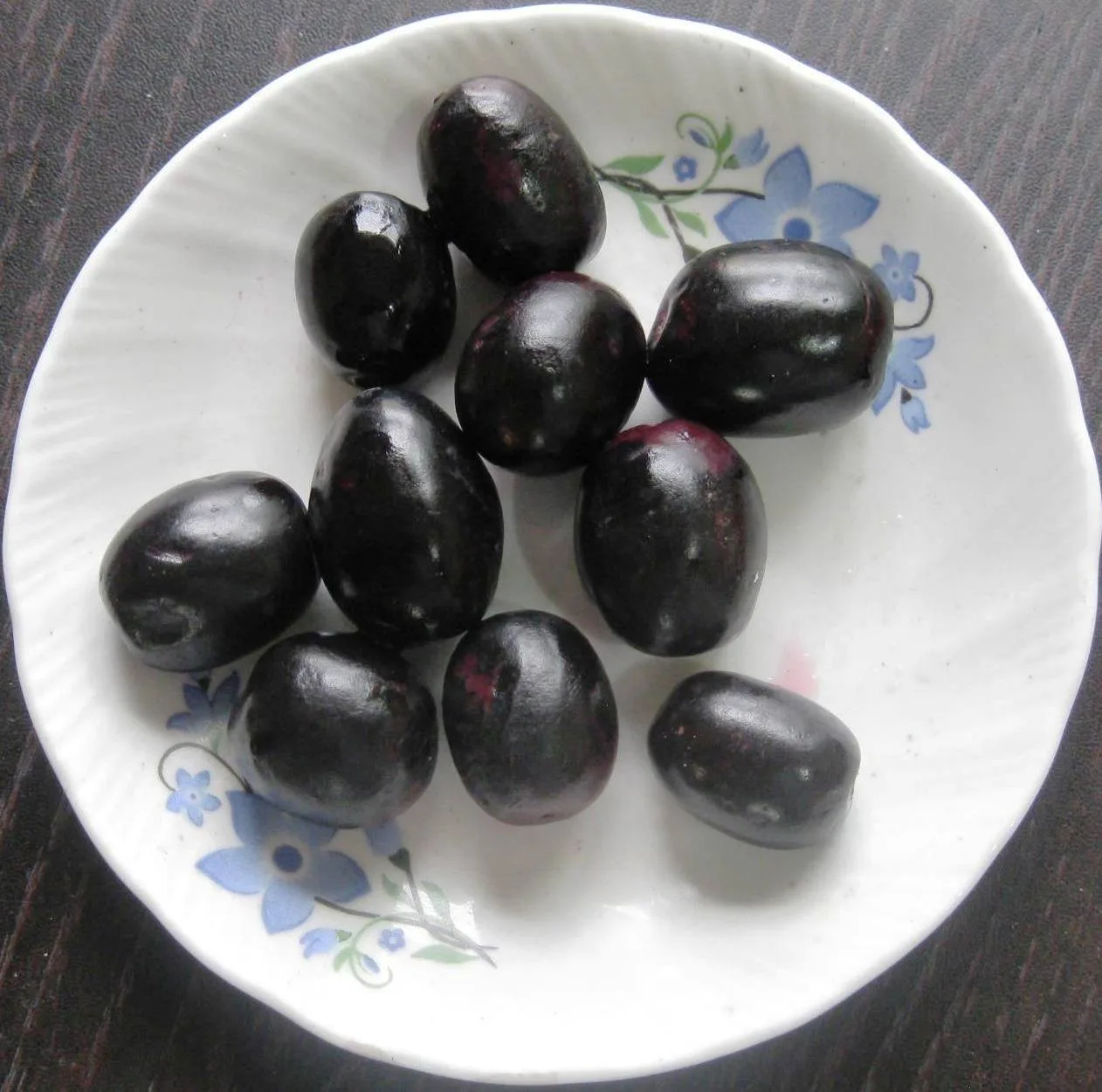
A small fruit. A long list.
Per 100 g, fresh jamun provides water, carbohydrates, vitamin C, minerals, fibre and purple-skin polyphenols. Seeds, bark and leaves contain different compounds, so fresh fruit should not be presented as medically equivalent to concentrated seed powder or extracts.
Peer-reviewed research on Syzygium cumini supports Jamun's profile as a bioactive fruit, but diabetes-related claims need medical caution. Use jamun as part of a balanced diet, and consult a registered practitioner before using concentrated preparations with blood-sugar medication.
Per 100 g of fresh jamun.
Composite figures from USDA FoodData Central, Indian Food Composition Tables (NIN, 2017), and peer-reviewed analyses of Syzygium cumini. Values vary slightly by cultivar and ripeness; Konkan Bahadoli sits at the higher end of pulp and TSS.
| Nutrient | Amount per 100 g |
|---|---|
| Energy | 60 kcal |
| Water | 83.1 g |
| Carbohydrates | 15.5 g |
| — of which sugars | 14.0 g (mostly fructose & glucose) |
| Dietary fibre | 0.6 – 1.5 g |
| Protein | 0.7 g |
| Fat | 0.2 g |
| Vitamin C | 14 – 18 mg |
| Vitamin B6 | 0.04 mg |
| Folate | 3 µg |
| Calcium | 15 mg |
| Iron | 1.4 mg |
| Magnesium | 15 mg |
| Potassium | 79 mg |
| Anthocyanins (skin) | ~ 230 mg |
| Total polyphenols | ~ 540 mg GAE |
| Glycemic Index (estimated) | 25 – 35 (low) |
The six functional claims.
Metabolic wellness research
Jamun seed, pulp and extracts are studied for glucose-related mechanisms, but the evidence should be described as supportive and investigational rather than a cure or replacement for diabetes care.
Antioxidant load
The deep purple skin contains anthocyanins and other polyphenols. These compounds are one reason Jamun appears often in functional-food and nutraceutical research.
Low glycemic index
Jamun is commonly discussed as a blood-sugar-conscious seasonal fruit. Individual response varies, so people monitoring glucose should treat serving size and total diet as the main guide.
Heart-supportive
Potassium, fibre and polyphenolic compounds make jamun a useful fruit for wellness-positioned products, especially when claims stay within food and nutrition language.
Digestive astringent
Traditionally used to settle the gut. Modern phytochemistry attributes this to tannins and gallic acid in the pulp and skin.
Immune-system support
Vitamin C, minerals and plant compounds make jamun a clean seasonal ingredient for fresh eating, beverages, pulp, extracts and wellness-led recipes.
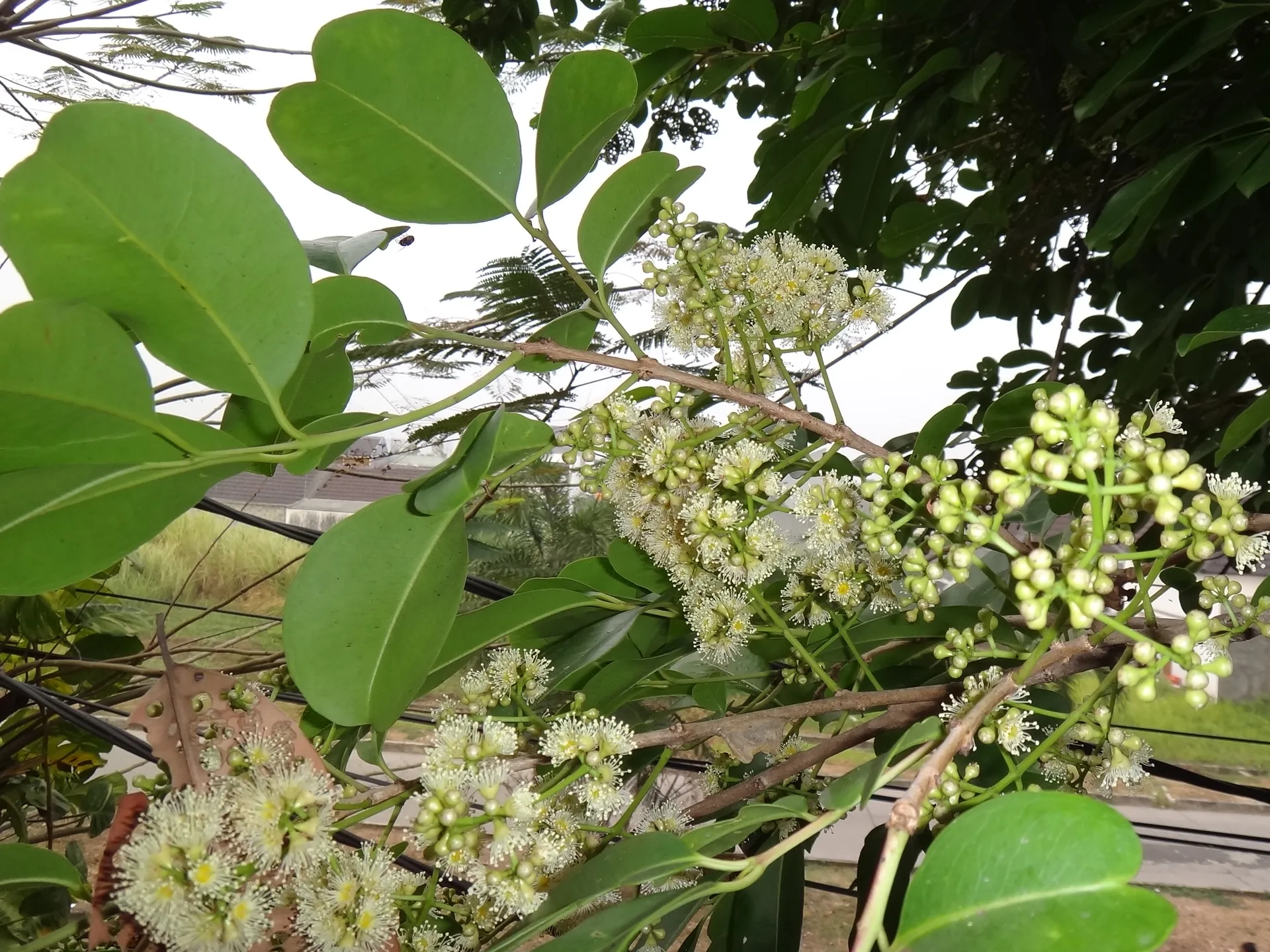
A thousand-year prescription.
In Ayurveda, jamun (jambū) is classified as kashaya (astringent) and madhura (sweet) — cooling, drying, and stabilising. Classical discussions connect jambū with prameha, a traditional metabolic-disorder category, but modern health content should clearly separate traditional use from clinical advice.
Three parts of the plant are used:
- Fruit pulp — fresh consumption, juice, kashaya.
- Seed powder — the most studied form for glycemic support.
- Bark and leaf decoction — astringent, antidiarrheal formulations.
Quick answers for health-conscious searchers.
Is jamun good for people with diabetes?
Jamun is traditionally used in India and is studied for compounds that may support metabolic wellness, but it should be treated as food, not medicine. People with diabetes should consult a doctor before using jamun seed powder or extracts with medication.
Fresh jamun fruit or jamun seed powder?
Fresh jamun is a seasonal fruit eaten as food. Jamun seed powder is a concentrated ingredient used in Ayurvedic and nutraceutical contexts, so dosage, safety and medical claims should be handled more carefully.
What does jamun contain?
Jamun contains water, carbohydrates, fibre, vitamin C, minerals and plant compounds such as anthocyanins, tannins and polyphenols. Values vary by cultivar, ripeness and growing conditions.
Reading list.
For buyers and formulators who like primary sources.
- Ayyanar M, Subash-Babu P. Syzygium cumini review and metabolic syndrome discussion.
- Chaudhary B, Mukhopadhyay K. Syzygium cumini (L.) Skeels: A potential source of nutraceuticals. International Journal of Pharmacy and Biological Sciences, 2012.
- Indian Council of Medical Research – NIN. Indian Food Composition Tables. Hyderabad, 2017.
- Kumar A, Ilavarasan R, et al. Anti-diabetic activity of Syzygium cumini and its isolated compound against streptozotocin-induced diabetic rats. Journal of Medicinal Plants Research, 2008.
- Sharma B, Balomajumder C, Roy P. Hypoglycemic and hypolipidemic effects of flavonoid rich extract from Eugenia jambolana seeds. Food and Chemical Toxicology, 2008.
Nothing on this page is medical advice. Always consult a registered medical practitioner for clinical questions, especially around diabetes management.