Bulk jamun supplier for India and export buyers.
400+ tons of seasonal Konkan Bahadoli jamun supply: 200 tons from the home farm and 200 tons from our trusted Marripadu mandi network. Every consignment passes through one sorting and packing line so wholesale, export, retail and processing buyers receive one consistent product.
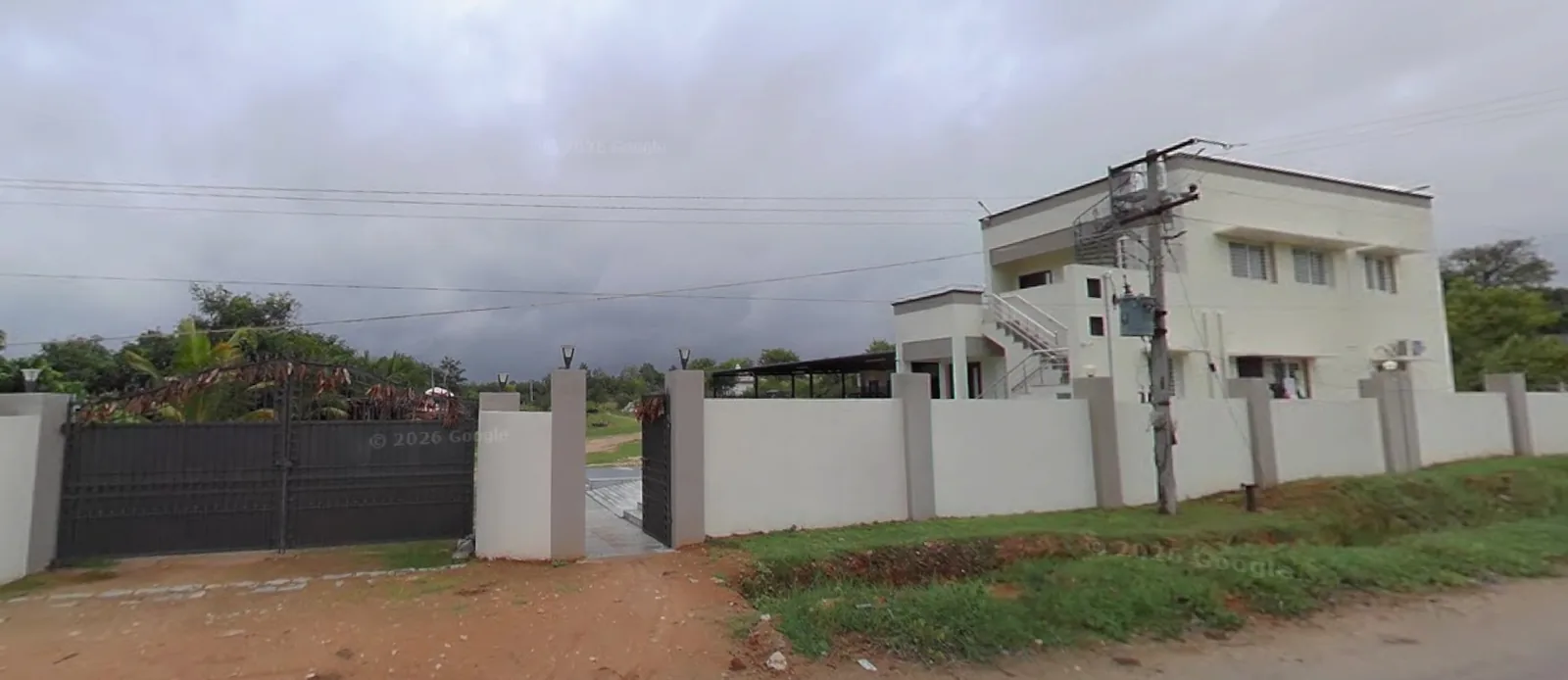
One gate. One standard. One supply line.
Our 40-acre orchard and our aggregation point for partner-farmer supply share the same address on MDR358 in Marripadu, Andhra Pradesh. Every basket that leaves us — whether grown on our trees or sourced through the network — passes through this gate, the same QC bench, and the same packing line.
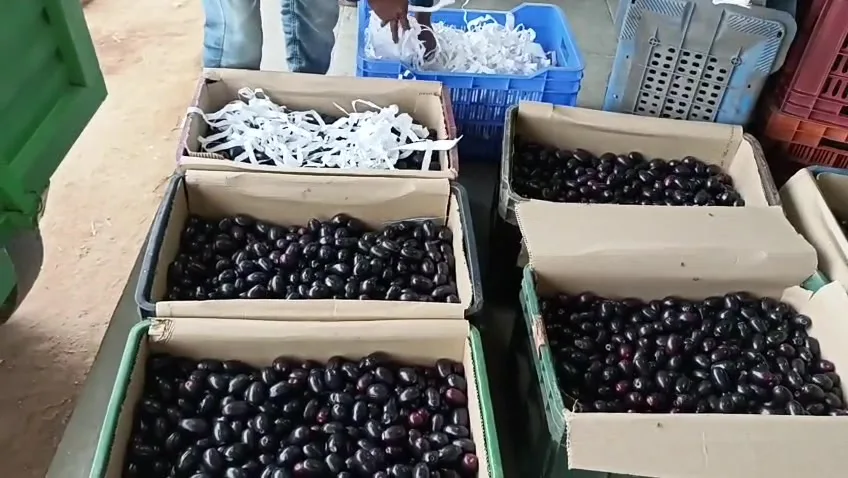
Built for predictable bulk supply.
Most jamun supply chains in India start in a mandi at 4 a.m. and end in a buyer's complaint email at 4 p.m. We built ours differently.
Every consignment that leaves SVBS — whether grown on our 40 acres or sourced from our partner farmers — passes through the same sorting protocol, the same packaging line, and the same QC sign-off. That is the entire point of the operation.
The line that guarantees the grade.
Pre-dawn harvest
Fruit comes off the tree between 4 a.m. and 8 a.m. — before the fruit warms. Soft fruit is rejected at the tree.
Field cooling
Harvested fruit is moved to shaded collection points within 30 minutes. Field heat is the enemy of shelf life.
Hand sorting
Trained sorters separate fruit by weight, skin condition, and bloom integrity. Three grades, every consignment.
Cushioned packing
Foam liners, ventilated trays, and right-sized cartons. The fruit shouldn't move in transit.
Cool chain dispatch
Refrigerated transport from packing floor to your dock. 8 – 10 °C, end to end.
Lot-level QC sign-off
Every consignment ships with a QC slip: grade, weight, harvest date, dispatch temperature. Traceable.
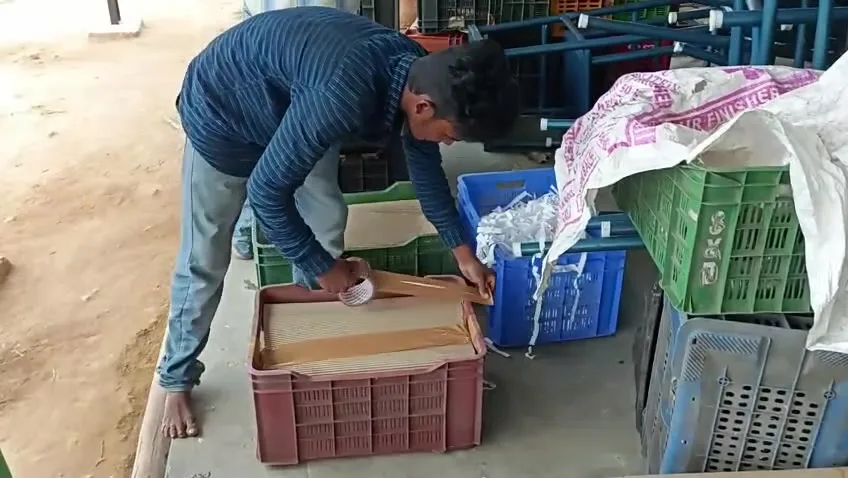
50+ partner farmers. One standard.
Around Marripadu, dozens of small and mid-sized farmers have been growing jamun for decades — many in trees planted by their grandfathers in the same era as ours. The fruit is excellent. The challenge has always been getting it to buyers consistently graded and packed.
That's the gap our mandi network fills. Partner farmers harvest to our calendar, deliver to our collection points, and get a fair, transparent price for fruit that meets spec. Our sorting line does the rest.
The result: a network capable of supplying 200T per season over and above our own farm — without the network supply ever feeling different from the home-farm fruit.
Buyers we are built for.
Exporters
Gulf and Southeast Asia routes. Air-freight-ready packaging. Phytosanitary documentation support.
Modern trade & e-commerce
Punnet packaging, barcode-ready cartons, batch traceability for shelf-life management.
F&B processors
Juice plants, jam manufacturers, wine and vinegar producers — Grade B supply at scale.
Ayurvedic formulators
Jamun seed powder, pulp extract, and dried fruit supply for nutraceutical and traditional medicine production.
HoReCa
Hotels, premium restaurants, dessert programs — small-volume premium grades, packed for kitchens.
Wholesale mandis
Bangalore, Chennai, Hyderabad commission agents — Grade A bulk at competitive pricing.
Questions buyers ask before booking supply.
What is the annual jamun supply capacity?
SVBS supplies 400+ tonnes annually: about 200T from the 40-acre Marripadu farm plus 200T from a curated partner-farmer network in the Madanapalle belt.
Which variety is available?
The primary fresh fruit variety is Konkan Bahadoli, selected for larger fruit, smaller seed, strong pulp recovery and predictable June-August harvest planning.
What is the minimum order quantity?
Minimums depend on grade, packaging and destination. Retail and HoReCa inquiries can start around 1 tonne; exporters and processors usually book multi-tonne consignments.
Can SVBS pack for e-commerce or modern trade?
Yes. Available formats include 250g, 500g and 1kg punnets, 2kg cartons, 5kg crates and 10kg field boxes, subject to season, grade and order quantity.
When is jamun harvest season?
The core harvest and dispatch window is June through August. Bulk buyers should start pre-booking from April so grade, packaging and cold-chain plans can be confirmed.
Where is SVBS located?
The farm and aggregation point are in Marripadu Village near Vayalpad, Madanapalle Mandal, Annamayya District, Andhra Pradesh 517325.