Grown with 90 years
of heritage.
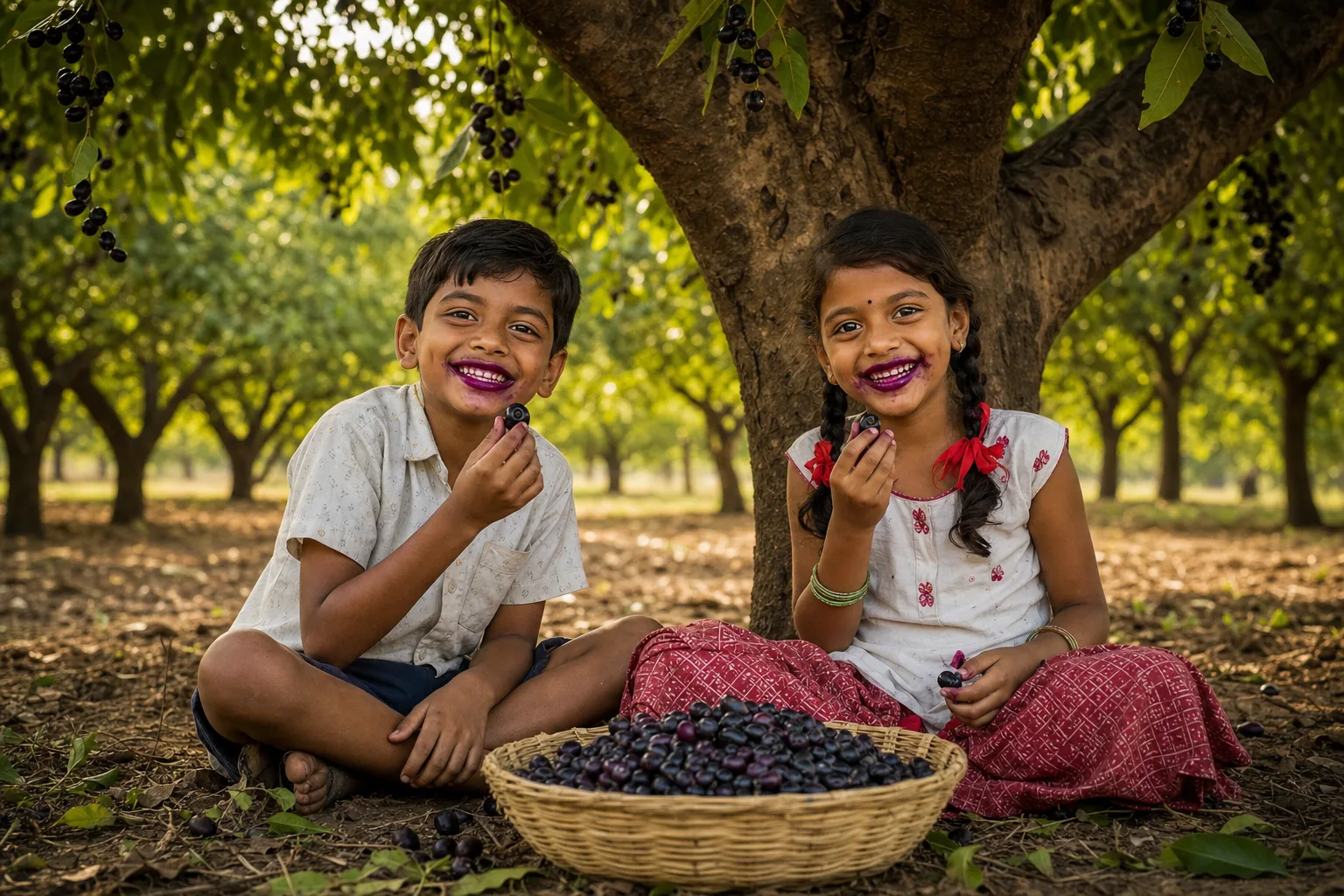
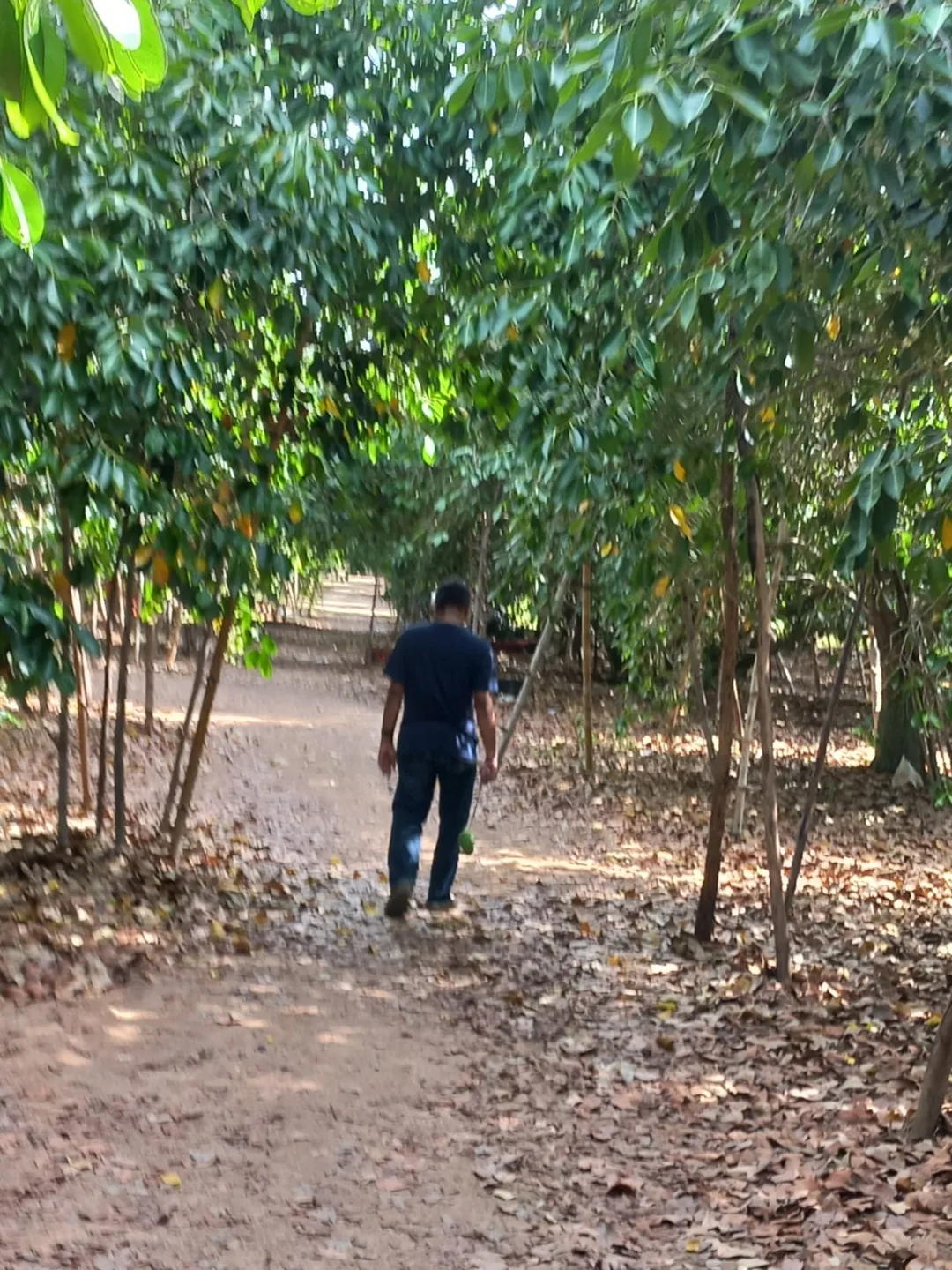
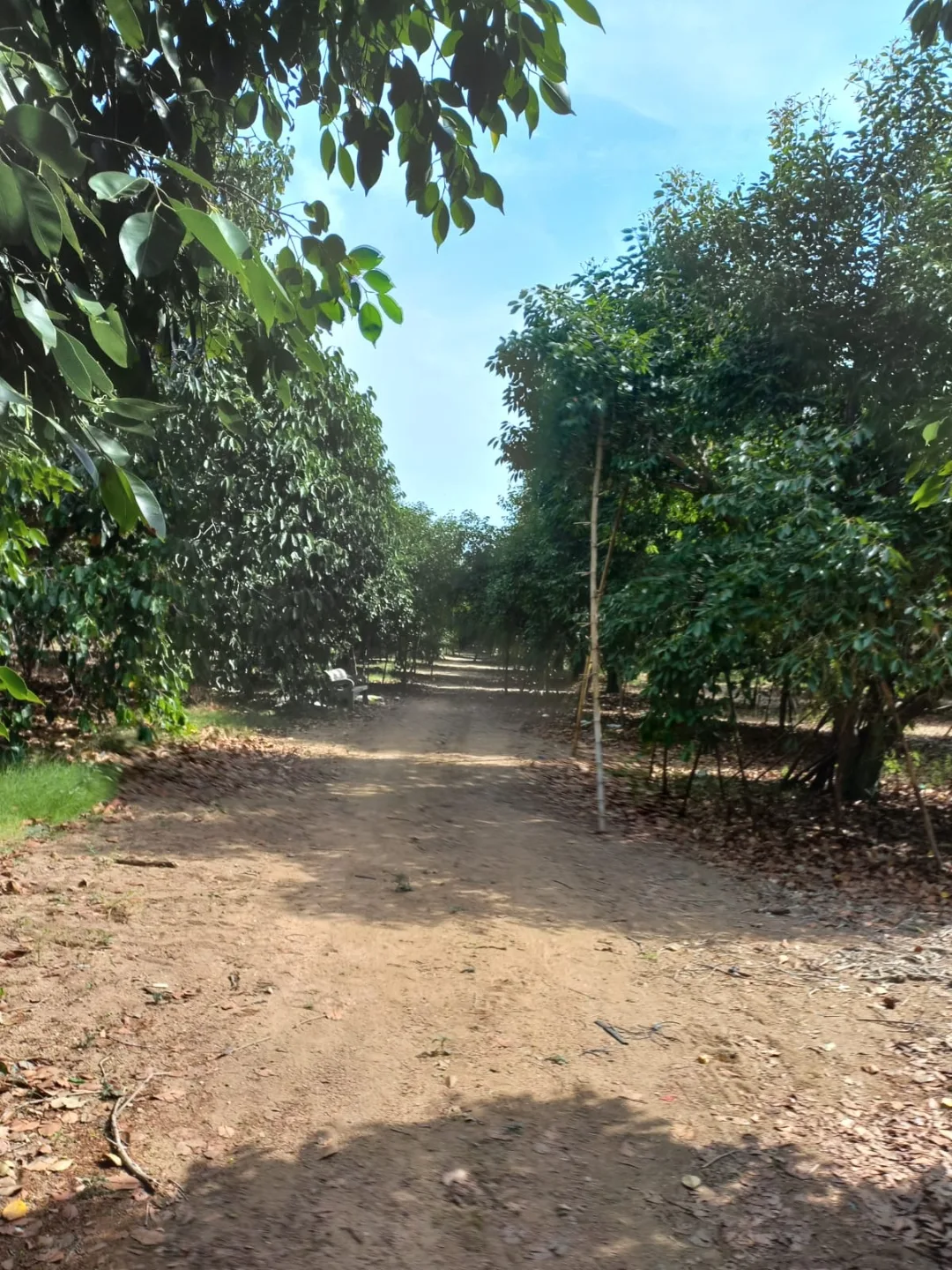
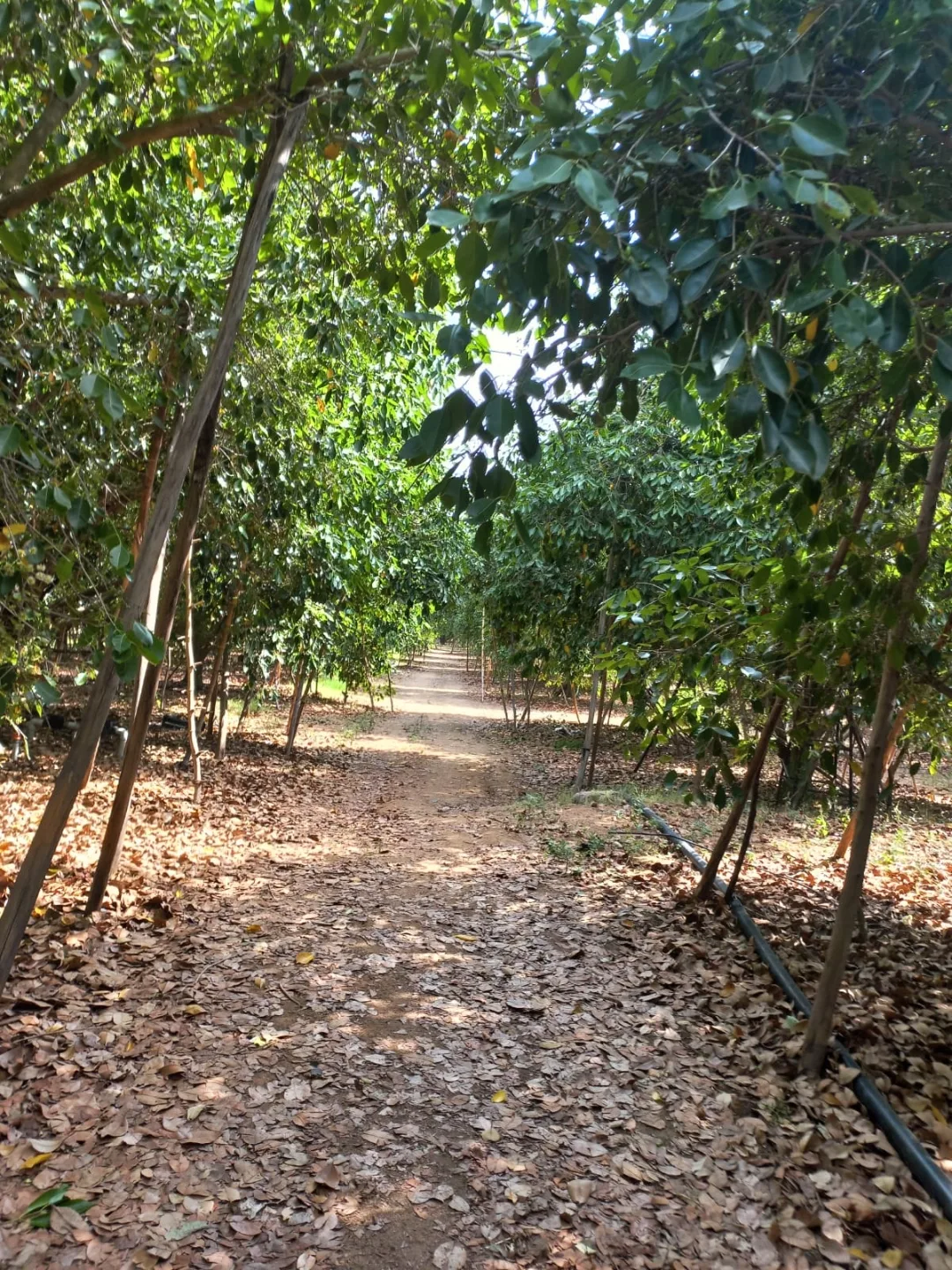
40 acres of Konkan Bahadoli jamun in Marripadu — a small village near Vayalpad, 30 km from Madanapalle and 140 km from Bangalore airport. Three generations. One unbroken tradition.
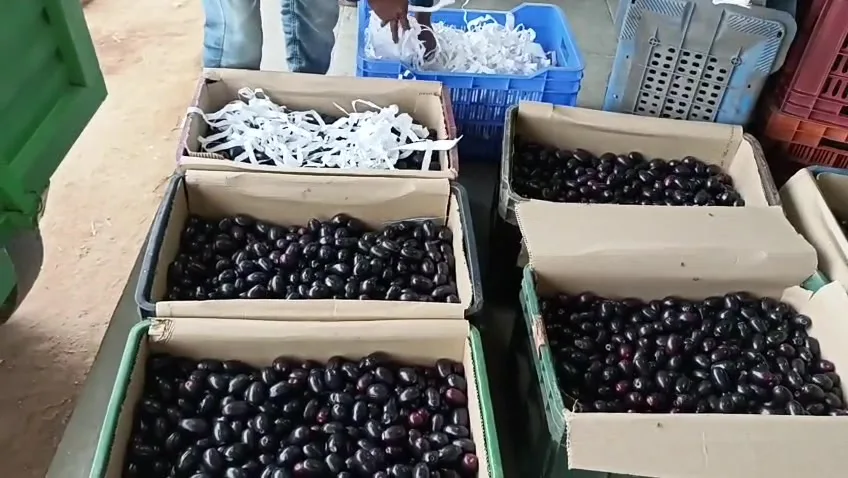
200 tons from our own orchard plus 200 tons from a curated network of partner farmers. Hand-sorted, graded and packed to your specification — for exporters, processors and retailers.
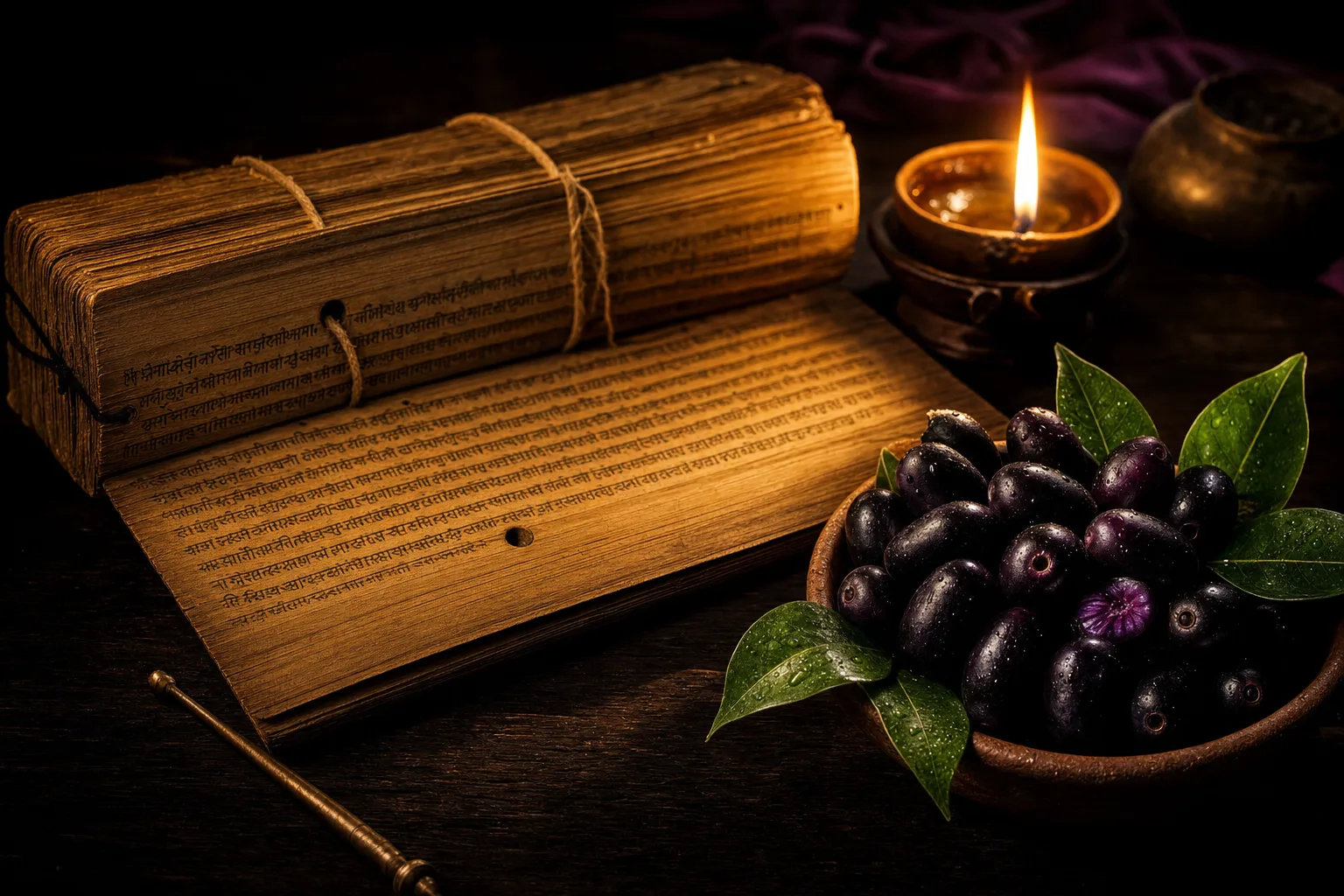
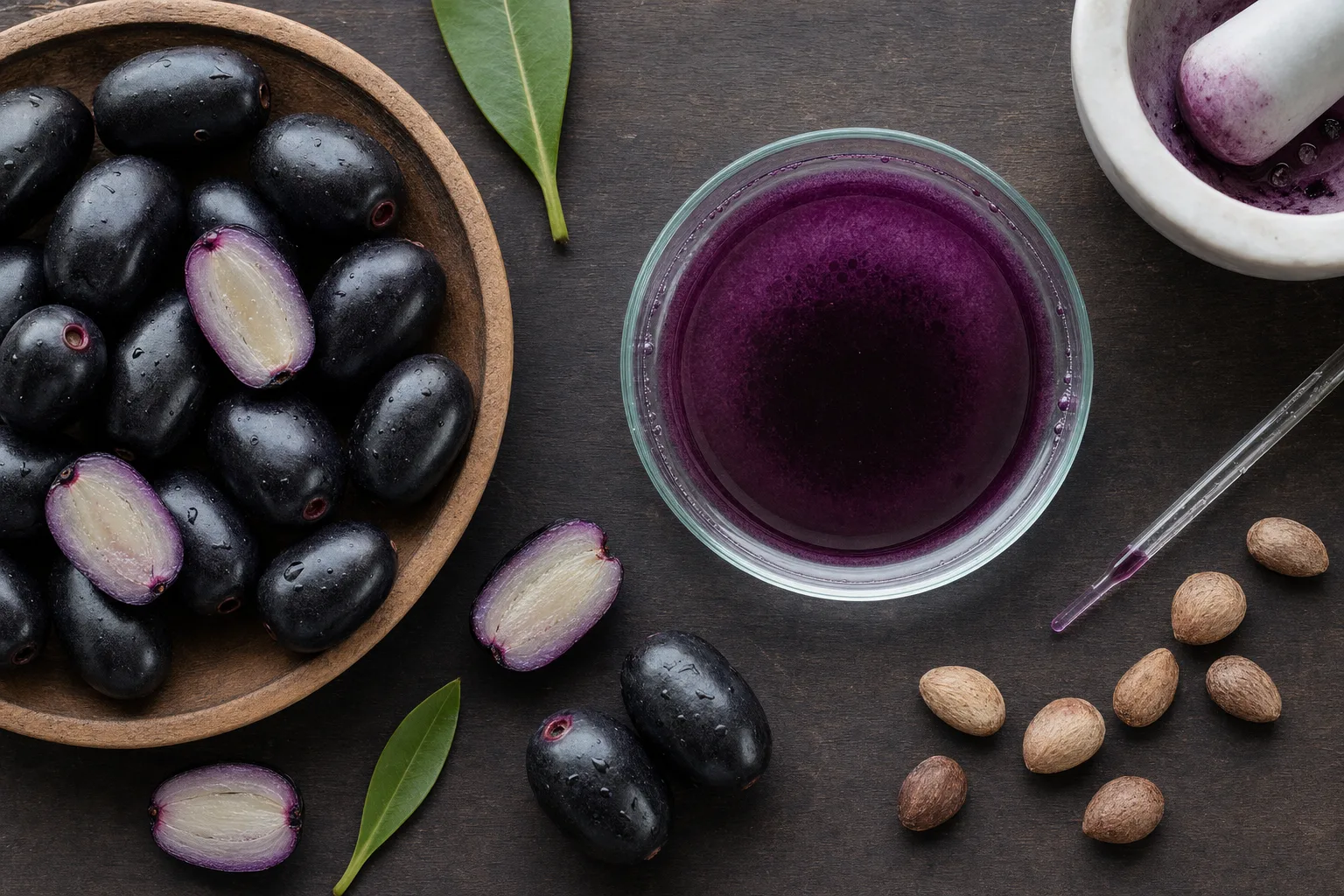
Anthocyanin-rich, low-glycemic, packed with vitamin C and tannins. Ayurveda's classic ally for blood-sugar balance — now backed by modern nutritional science.
Eighteen years in US software. One quiet calling home. In 2010, Tummala Mahinder Reddy returned to his ancestral village to continue what his grandfather started 90 years ago.
Four short films on what "heritage farming" actually looks like — the trees, the bees, the harvest, the bond.
Marripadu sits in the rolling rain-shadow country of southern Andhra Pradesh — a climate jamun trees love. 30 km from Madanapalle, 140 km from Bangalore airport, and a world away from anywhere in particular.

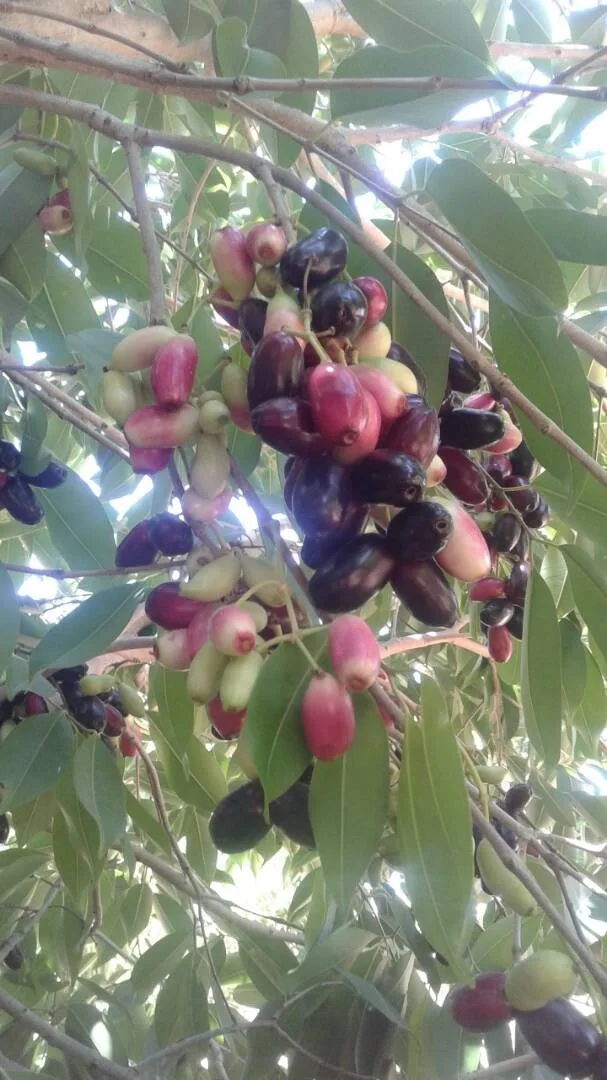
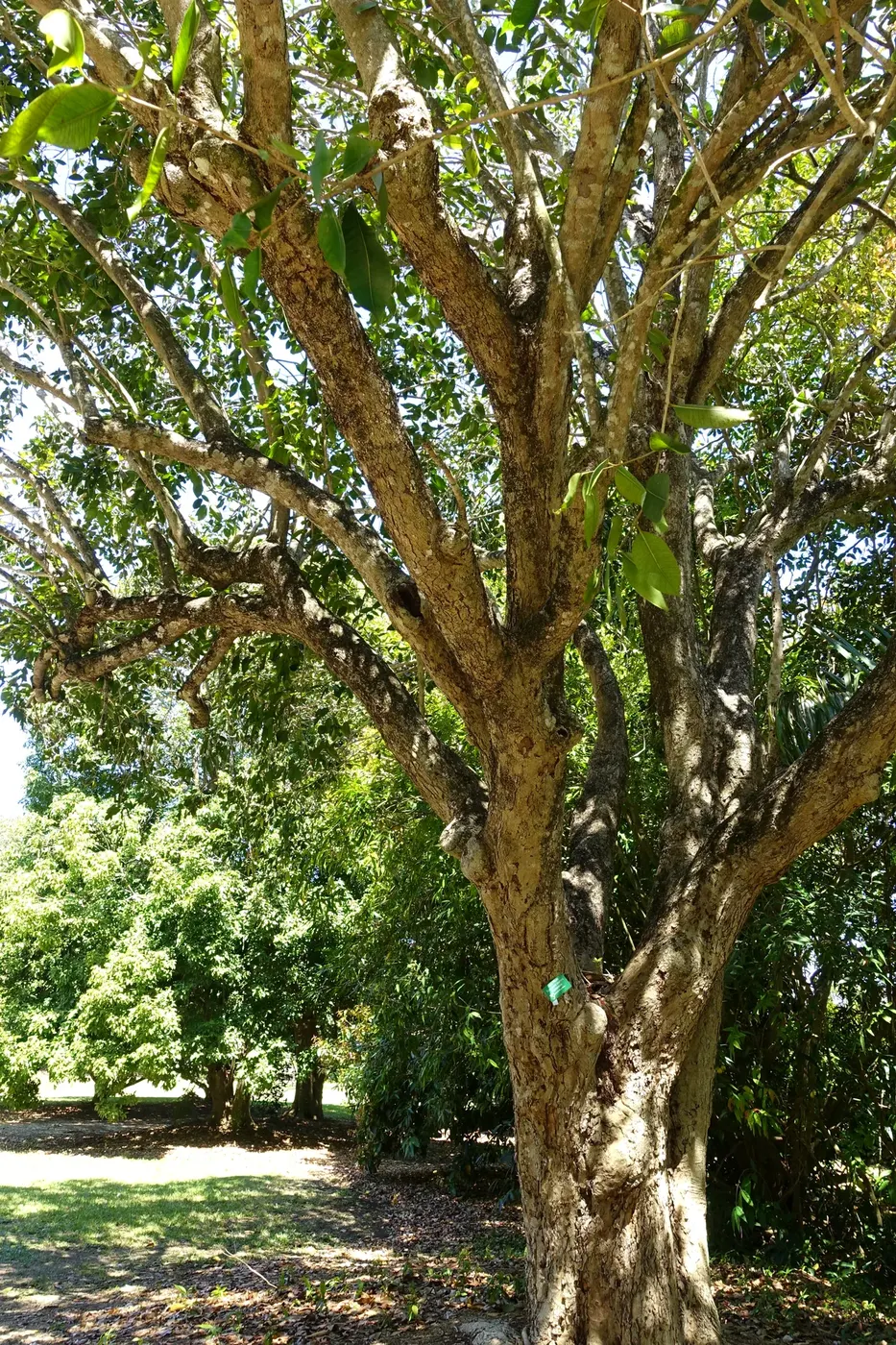
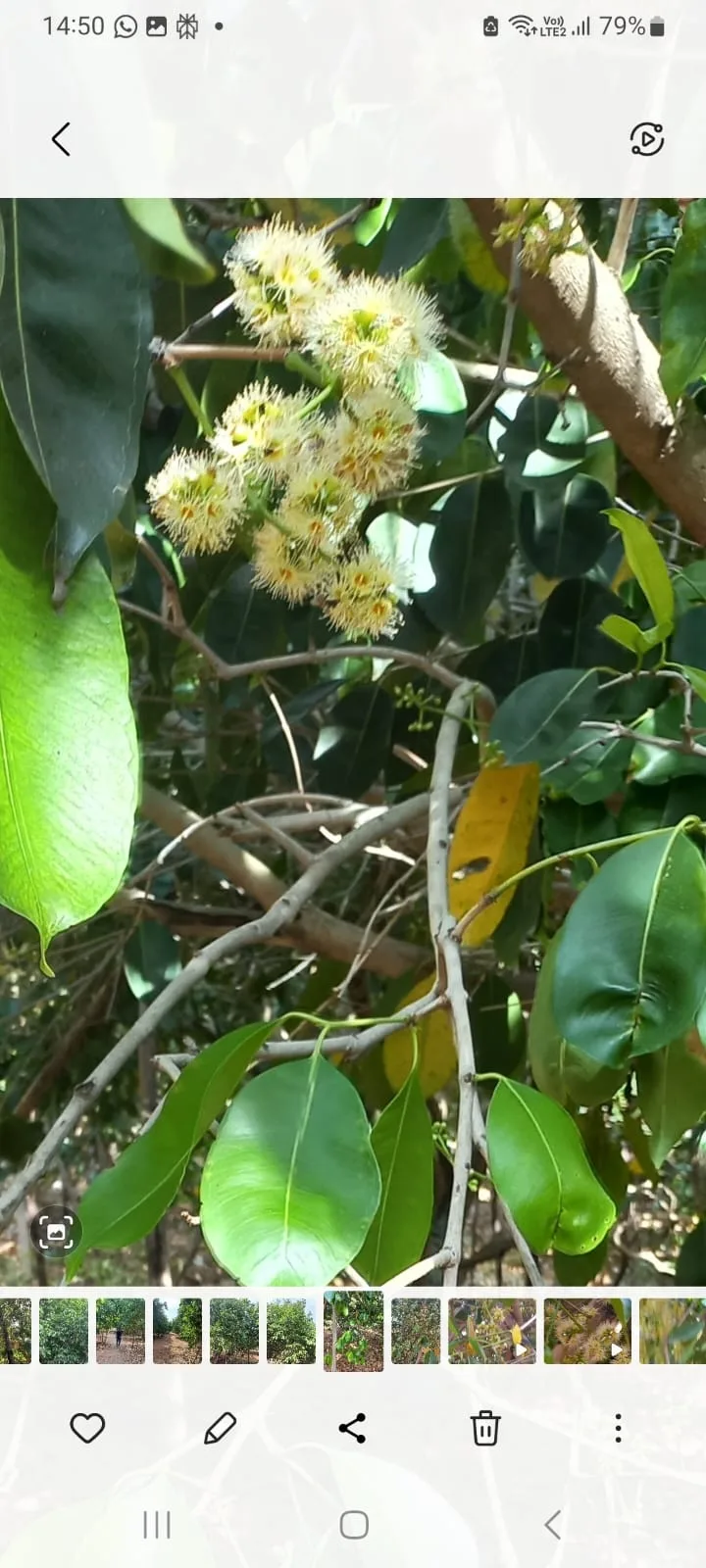
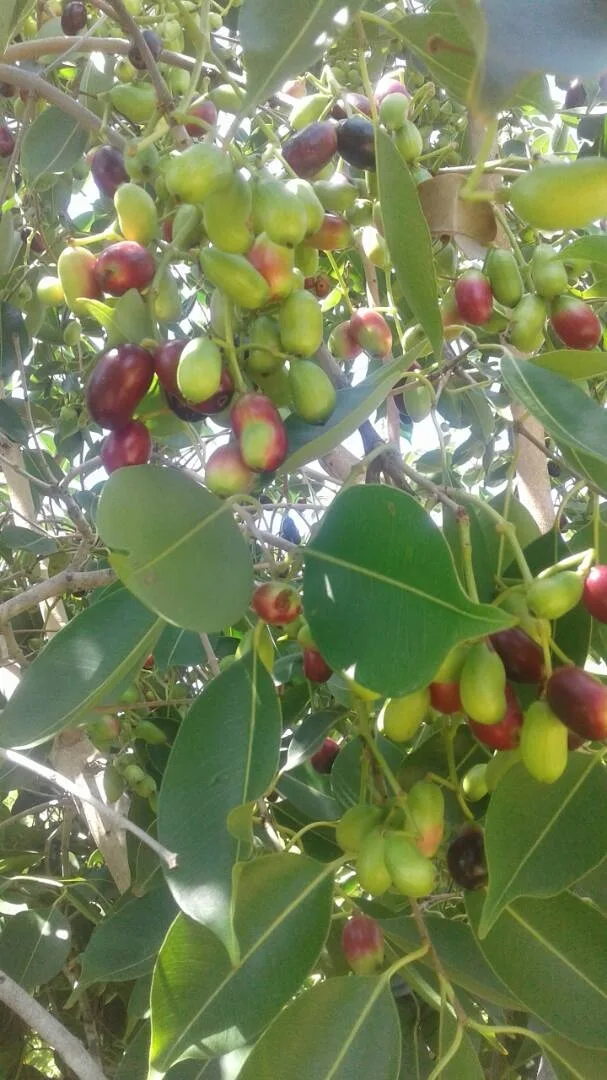
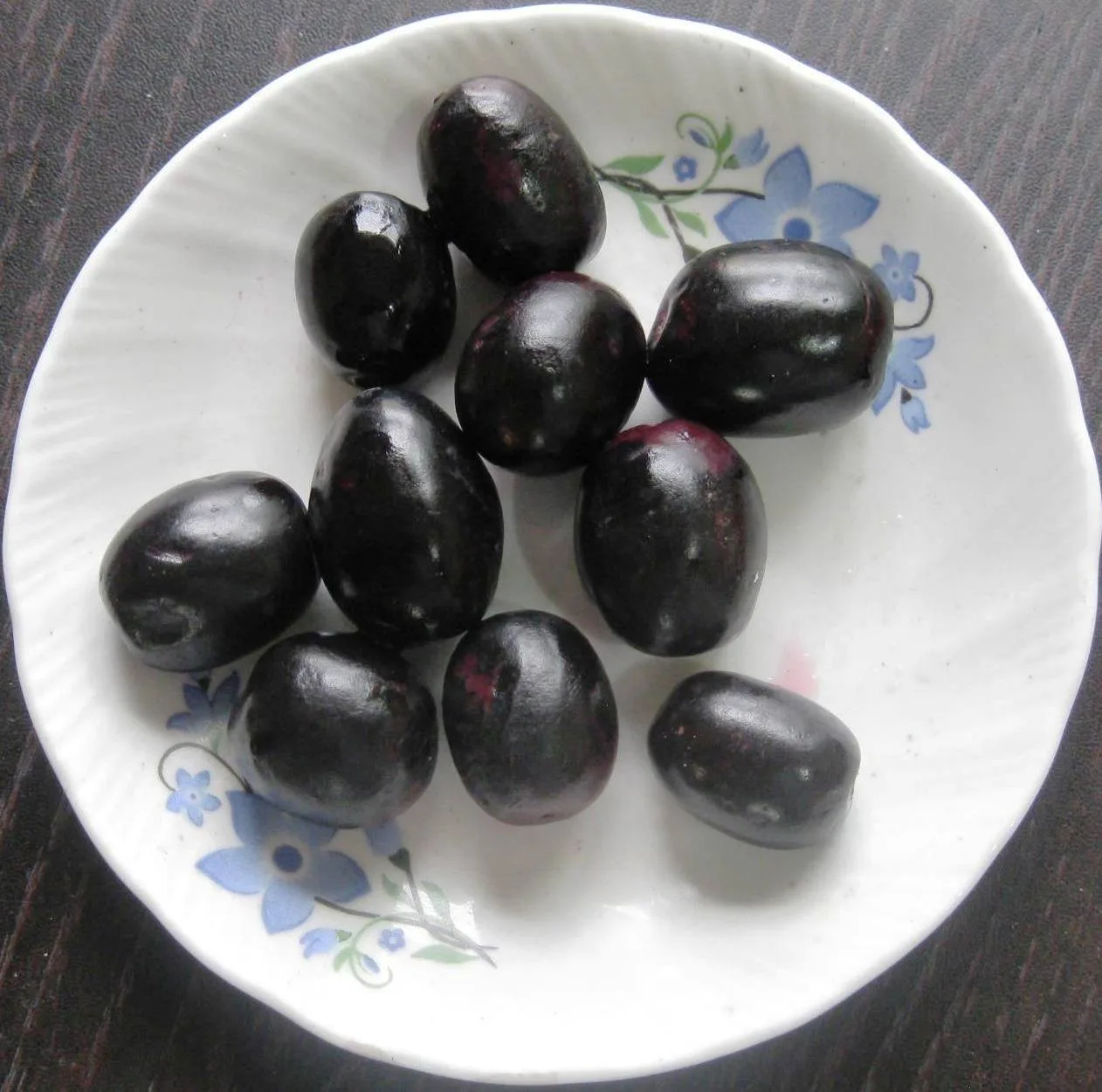
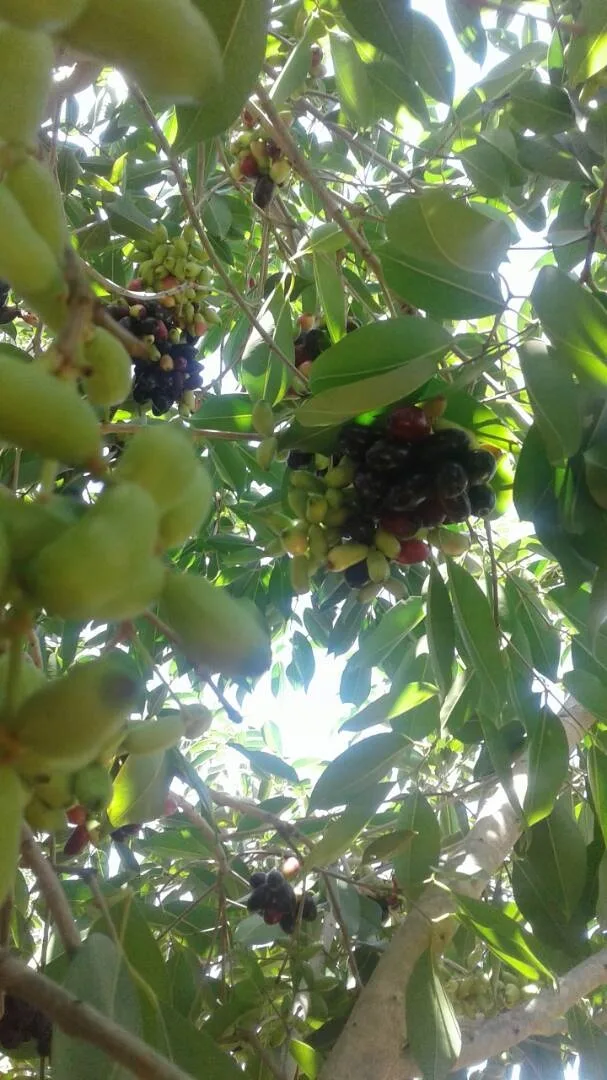
Our orchard is planted exclusively with Konkan Bahadoli — the premium large-fruited jamun variety developed by Dr Balasaheb Sawant Konkan Krishi Vidyapeeth. Sweet, juicy pulp. Notably small seeds. A processor's and an eater's fruit.
Each tree is now in its prime — fifteen years old, well-canopied, drought-tolerant, and yielding consistently season after season.
About Konkan BahadoliThis is not a new venture. The first dozen jamun saplings went into this red earth nearly a century ago — when most of the region was planting only mangoes.

The founder's grandfather plants twelve jamun trees on the family land — a quiet act of foresight when neighbors planted only mangoes.
Tummala Mahinder Reddy completes B.Tech in Electronics & Communications and joins the first wave of Indian software professionals heading abroad.
After 18 years of US projects, he returns. Forty acres are planted with Konkan Bahadoli — the modern continuation of his grandfather's quiet vision.
Our farm plus a curated regional network — supplying processors, exporters and retailers who want jamun done right.
Demand for premium jamun outstrips what any single grower can supply. Over the years we've built a small mandi: a curated network of 50+ neighboring farmers we know personally, whose fruit we grade and pack to your spec.
200 tons from our orchard plus 200 tons curated from partner farmers — all the same Konkan Bahadoli variety, all hand-graded.
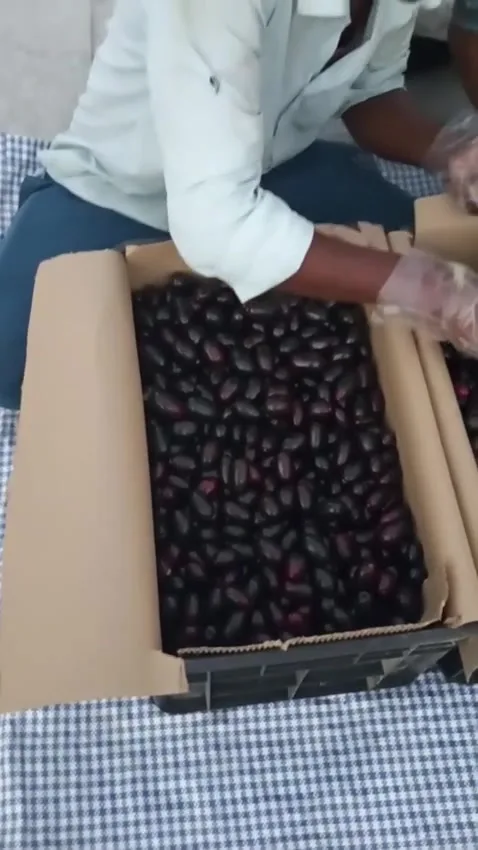
Size, ripeness, packing format — our team grades every batch to the buyer's brief. Export-grade cartons, bulk crates, retail trays.
June–August is peak. We hold cold-chain capacity, coordinate trucking, and respond to buyer queries within 24 hours during season.

Active honeybee colonies live on the farm. Bees and chemical sprays don't mix — so our pest and disease management leans on integrated, bee-safe practices. No shortcuts, no synthetic-only program.
The bees pollinate the blossoms, the trees yield better fruit, and the soil stays alive. It's the way our grandfather farmed. We just learned to call it "sustainable".
Real photographs from our orchard, our packing floor, and our community.


Peak harvest is June through August. Reserve your allocation early — premium grade sells fast.
Consistent grade, on-time loading, and the variety we asked for. That's rare for jamun at this scale.
The Konkan Bahadoli pulp percentage is excellent. We use it for our juice line and the seed-to-flesh ratio matters.
Honest people, real heritage. They picked up the call on a Sunday during peak season. That's the relationship I want.
What classical Ayurvedic texts say about jambu — rasa panchaka, prameha treatment, and how seed, bark and pulp were used differently.
Read article
A careful tour through clinical and pre-clinical evidence on Syzygium cumini — alpha-glucosidase inhibition, jamboline, and what the trials actually show.
Read article
Anthocyanins, ellagitannins, jamboline. What the lab actually finds in pulp, seed and bark — and why each part is used differently for nutraceutical formulators.
Read article